How to Save for a House Deposit in Australia 2026: A Practical Guide for Migrants
How to Save for a House Deposit in Australia 2026: A Practical Guide for Migrants
Buying your first home in Australia is a cornerstone of the "Great Aussie Dream." However, for many newcomers and skilled migrants aged 25-45, the rising property market can feel like a moving target. As of early 2026, the Australian real estate landscape requires a more strategic approach to saving than ever before.
This guide provides a comprehensive roadmap on how to save for a house deposit in Australia, specifically tailored for those balancing a career, family, and the costs of settling in a new country.

Image Description: A photorealistic modern Australian home in a sunlit suburb, symbolizing the goal of home ownership.
Understanding the 20% Rule and LMI
In Australia, the standard deposit is typically 20% of the property's purchase price. For a $700,000 home in a suburb of Melbourne or Brisbane, that means saving $140,000. If you have less than 20%, you will likely have to pay Lenders Mortgage Insurance (LMI), which can add thousands to your loan costs.
However, many first-home buyer schemes in 2026 allow for deposits as low as 5% or even 2% for single parents. Understanding these thresholds is the first step in setting your financial goal.
1. Analyze Your Current Cash Flow
Before you can save, you must know where your money is going. Migrants often face "hidden" costs like international money transfer fees or higher insurance premiums. Use a dedicated budgeting app or a simple spreadsheet to track your income versus expenses for at least three months.
The 50/30/20 Rule for Australians
- 50% Needs: Rent, groceries, utilities, and transport.
- 30% Wants: Dining out, subscriptions, and hobbies.
- 20% Savings: This is your house deposit fund.
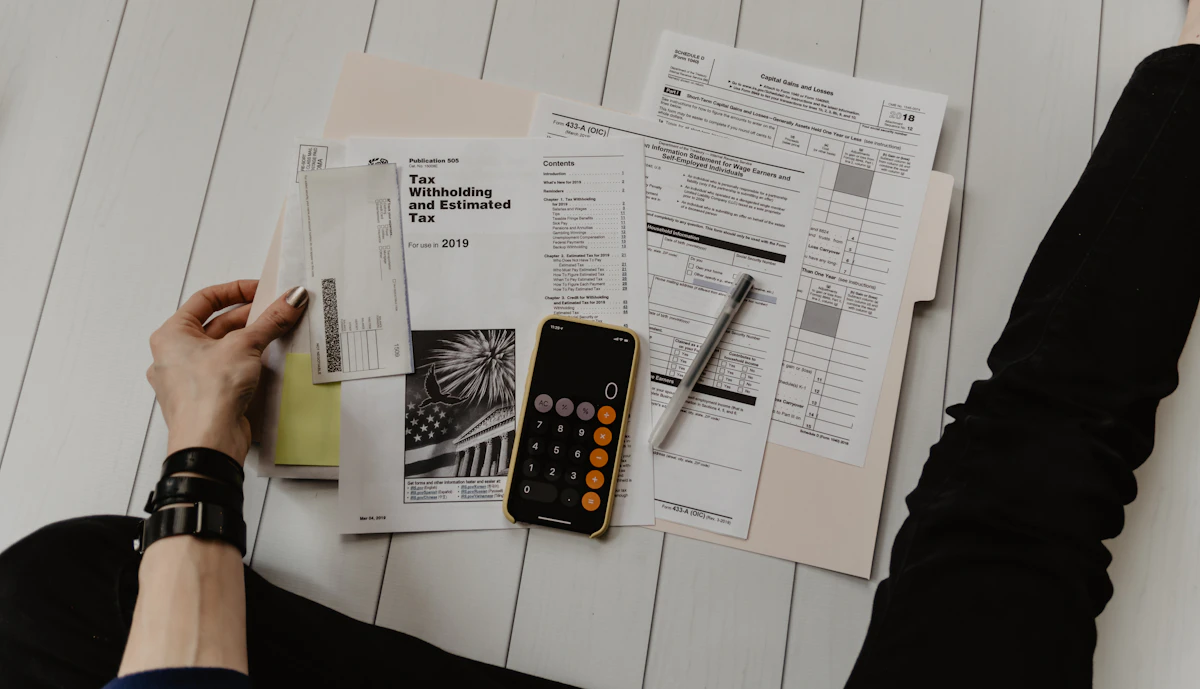
Image Description: A realistic setup of a professional migrant planning their budget using modern digital tools.
2. Utilize High-Interest Savings Accounts (HISA)
In the 2026 economic climate, leaving your deposit in a standard transaction account is a mistake. Look for "Honeymoon rates" or "Bonus interest" accounts offered by banks like CommBank, ANZ, or digital banks like Up or UBank. Ensure the account has no monthly fees and offers a competitive interest rate for balances over $50,000.
3. The First Home Super Saver (FHSS) Scheme
One of the most tax-effective ways to save for a deposit in Australia is through your Superannuation. The FHSS scheme allows you to make voluntary before-tax (concessional) and after-tax (non-concessional) contributions to your super fund to save for your first home.
Pro Tip: By using the FHSS, you are essentially saving at a lower tax rate, which can accelerate your deposit growth by up to 30% compared to a standard savings account.
4. Reducing "Lifestyle Creep" in Your 30s
For the 25-45 age bracket, as salary increases, so does spending. To reach a house deposit faster, consider these "big wins":
- Review Your Rent: Could you move one suburb further out for 12 months to save an extra $400 a month?
- Car Expenses: Avoid high-interest car loans that reduce your borrowing capacity for a mortgage.
- Energy Audits: Switch electricity providers annually to ensure you are on the lowest rates.

Image Description: A professional and trustworthy interaction between a real estate expert and migrants.
5. Boosting Your Income: The Side Hustle Culture
Many migrants in Australia utilize their professional skills for freelance work. Whether it’s consulting, tutoring, or trade-based side jobs, every extra dollar earned should go directly into a "hidden" savings account that you don't use for daily expenses.
6. Understanding Government Grants in 2026
The Australian government frequently updates incentives for first-home buyers. Check your eligibility for the First Home Owner Grant (FHOG) and Stamp Duty Exemptions, which vary by state (NSW, VIC, QLD, etc.).
Conclusion: Consistency is Key
Saving for a house deposit in Australia as a migrant is a marathon, not a sprint. By combining tax-effective schemes like the FHSS with disciplined budgeting and high-interest accounts, you can reach your goal faster. Remember, the best time to start saving was yesterday; the second best time is today.
Stay tuned to Move to AU for our next guide on choosing the right Australian suburb for your lifestyle and budget!


Comments
Post a Comment