Cost of Living in Sydney 2025: Rent, Transport, Food & Utilities Explained
Cost of Living in Sydney 2025: Rent, Transport, Food & Utilities Explained
• Updated for 2025

Sydney remains Australia’s most expensive rental market, and everyday costs have shifted again in 2025. This guide breaks down typical rent, transport, groceries, utilities, and internet, then gives practical monthly budgets for students and skilled migrants.
Rent in 2025
Sydney is the priciest capital for renters. As at mid-2025 the median asking rent across dwellings is about $796 per week. One-bedroom units are generally cheaper than houses yet remain elevated in inner-city and beachside suburbs. Expect a premium near CBD, lower north shore, eastern suburbs, and the inner west; more value typically appears further west and southwest along train lines.
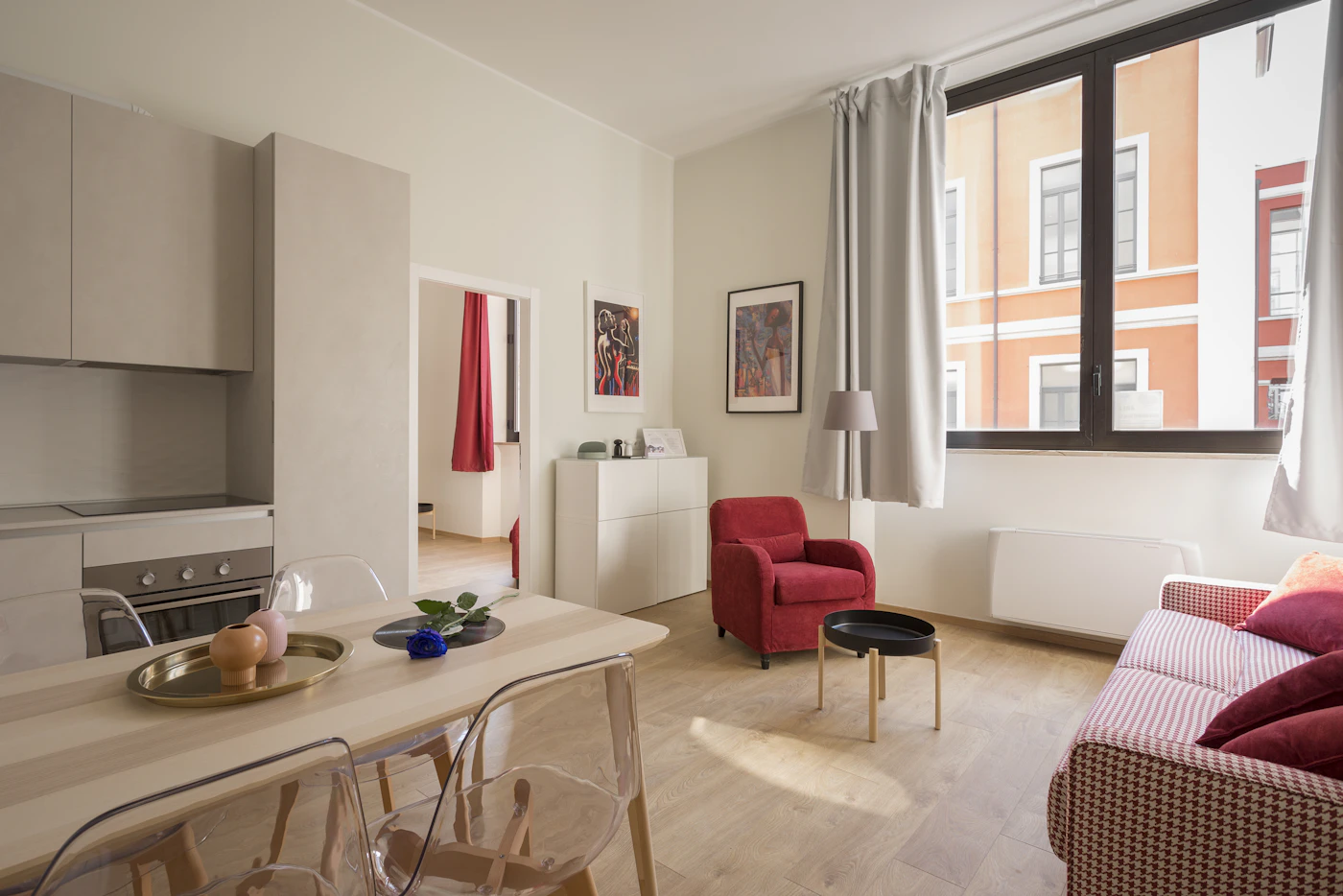
- Share in a house/unit: roughly $350–$700 per person per week depending on location and room type.
- 1-bedroom unit: commonly $650–$800 per week in inner/middle suburbs; more in premium postcodes.
- Family 2-bed+: budget from $900+ per week, higher near top schools and beaches.
Transport and Opal Caps
The Opal weekly cap remains $50 for adults ($25 for child/youth & concession; $2.50/day for Gold Senior/Pensioner). Friday and weekend fares continue at half price, and transfer discounts apply when you change modes within one hour. Heavy public-transport users can keep weekly spend at or under the cap; occasional users will pay per trip.

Groceries and Eating
Student and modest migrant budgets for groceries typically range $150–$280 per week per person if cooking at home. Eating out adds up quickly; plan for low-cost lunches and occasional mid-week specials.

Electricity, Water, Internet
Electricity
From 1 July 2025, NSW default-offer electricity prices increased roughly 8–10% year-on-year depending on your network. If you’re on a standing/default offer, compare plans—switching can offset much of the rise.
Water
Sydney Water bills are set annually. Draft pricing for 2025–30 indicated a typical household bill around $1,220 per year in 2024–25 with staged increases to 2029–30, and the utility notes price updates from 1 October 2025 following the IPART decision. For renters in apartments, water may be partly included.
Home Internet
NBN Standard (50/20) remains the mainstream tier for 2–4 people. Typical ongoing pricing in 2025 is roughly $75–$90 per month after intro discounts. Watch for short-term promos that reduce first-year cost.

Sample Monthly Budgets (AUD)
Use these conservative ranges to plan your first 3–6 months. Adjust for postcode and lifestyle.
| Scenario | Housing | Groceries | Transport | Utilities | Internet/Phone | Total / month |
|---|---|---|---|---|---|---|
| Student in share house (private room) | $1,600–$2,800 ($400–$700/wk) |
$600–$1,120 | $120–$200 (aim for Opal cap) |
$80–$140 (split bills) |
$90–$120 | $2,490–$4,380 |
| Single worker (1-bed unit) | $2,860–$3,480 ($660–$800/wk) |
$700–$1,200 | $150–$220 | $140–$220 | $100–$140 | $3,950–$5,260 |
| Couple, no kids (2-bed unit) | $3,900–$4,780 ($900–$1,100/wk) |
$1,000–$1,800 | $220–$300 | $180–$280 | $120–$160 | $5,420–$7,320 |
Notes: Utilities include electricity and water share; gas if applicable. Internet assumes NBN 50 shared where relevant. Transport assumes frequent travel using Opal caps.
Savings Tips That Work in Sydney
- Target the train lines: search rentals one or two stops beyond popular hubs for better value without losing commute time.
- Batch-cook: plan 10–12 home-cooked meals a week; buy seasonal produce and supermarket “specials”.
- Opal strategy: do long trips on Fridays/weekends to leverage half-price caps; combine errands within one hour to trigger transfer discounts.
- Switch energy plans: compare every 6–12 months and submit meter reads; consider off-peak usage and LED lighting.
- Internet promos: use 6-month intro deals, then churn; BYO modem to avoid lock-ins.
FAQs
Is $3,000 per month enough to live in Sydney?
For a single person, $3,000/month is tight unless you secure lower rent in a share house and keep transport and food to the low end of the ranges above.
Do I need a car?
No. Most newcomers rely on trains, light rail and buses. A car adds insurance, parking and tolls. Start with Opal and reassess later.
When do bills spike?
Electricity bills rise in winter due to heating. Also watch July and October for regulated price updates to energy and water.


Comments
Post a Comment